Swimming Skills That Prepare Them
Drowning is fast. It’s silent. And it can happen in less than 20 seconds.
There is often no splashing, no warning, and no clear sign that someone is in trouble. It can happen quietly, and by the time it is noticed, there may be very little time to help.
Sadly, drowning continues to affect families across Australia every year. Last year, 357 people drowned in Australia, the highest number ever recorded.
Many parents believe water safety is about watching their children closely and staying nearby. While supervision is important, it does not teach children what to do in an emergency.
When something unexpected happens in the water, children do not have time to stop and think. Their actions depend on what they have learned and practised.
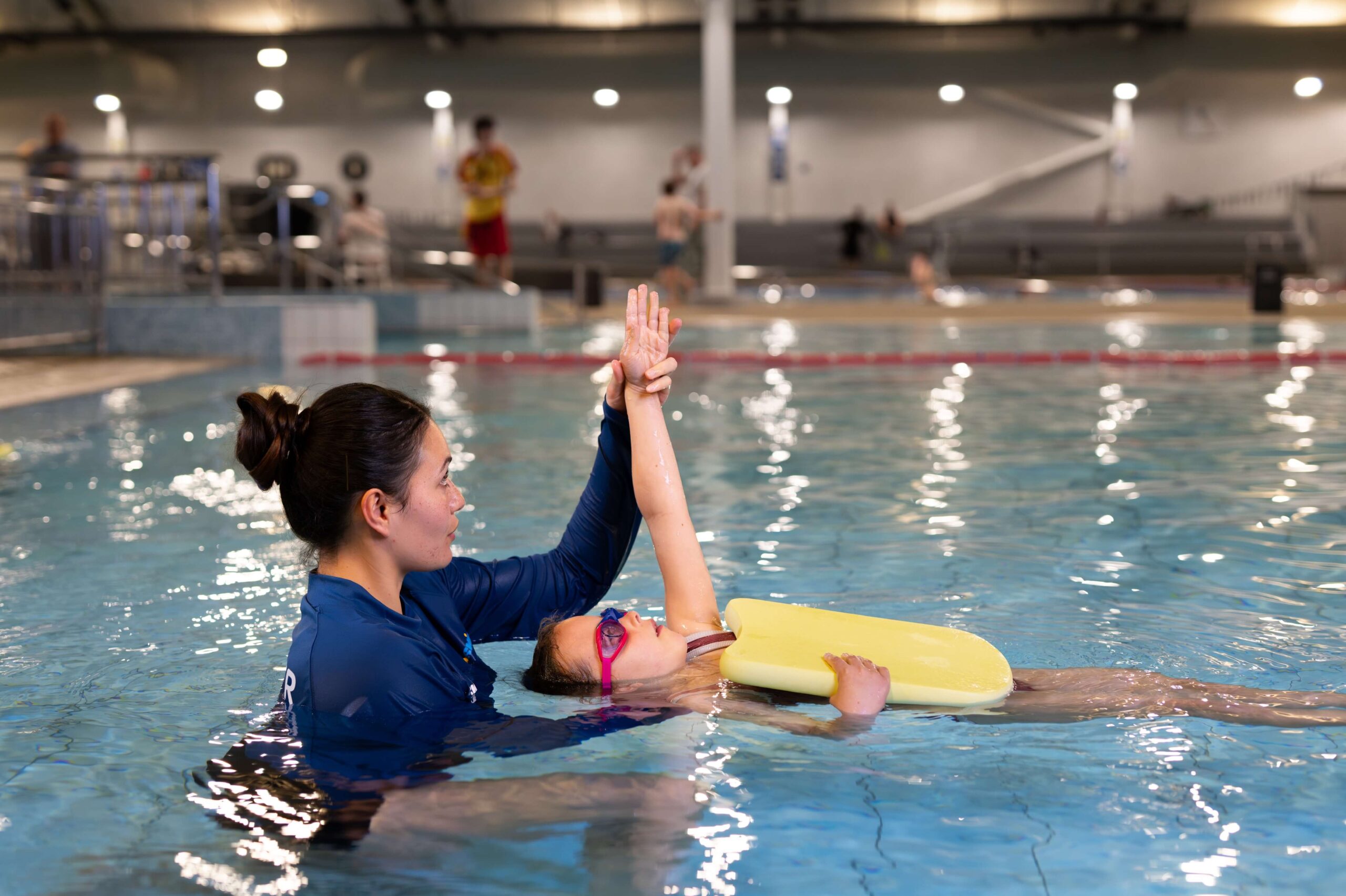
That is why GOswim swimming lessons are so important. Regular lessons help children build strong swimming and water safety skills. They gain not only confidence in the water but also the ability to react when it matters most.
Because water safety is not just about being watched. It is about being prepared.
Royal Life Saving Australia also reports that half of all children leave primary school unable to swim 50 metres and float for two minutes. This can put them at greater risk as they spend more time in and around water.
With regular practice and ongoing learning, GOswim helps children develop important life skills. They learn how to stay calm, move safely in the water, and respond confidently in difficult situations.
Real swimming skills are not learned overnight. They are built over time through practice, repetition, and experience.
Real skills make the difference when building water confidence with GOswim and prioritising lessons is a choice you can make today.